Short answer: The five security trends that matter for most businesses each come down to a decision you can make this year: how employees get in the door, where your access system is managed, what kind of monitoring answers your alarms, how long you are willing to be locked into a contract and whether security and IT stay with separate vendors. Make those five calls on purpose and your building is ahead of most.
Below, each trend is paired with the decision it forces and a simple way to choose.
1. Phone credentials are replacing cards and keys
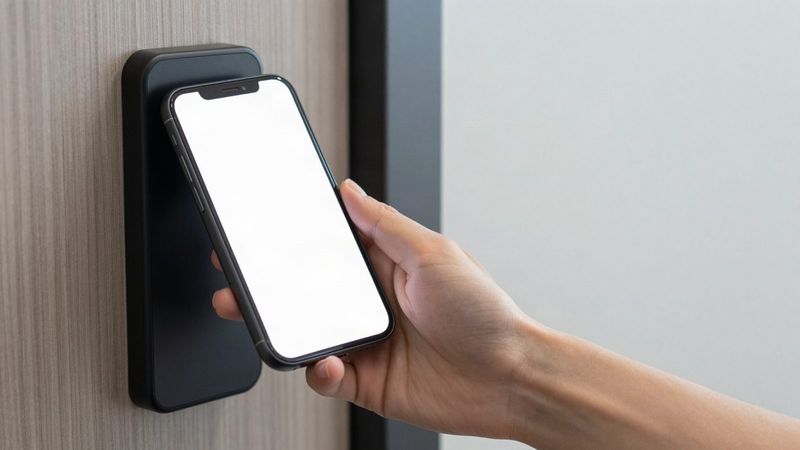
The trend: more door systems let employees unlock with a phone app instead of a card or fob. Cards still work fine, and metal keys are still on plenty of doors.
The decision: what credential your people carry. Choose phone credentials if you hire often, have staff moving between several buildings or are tired of chasing cards on someone's last day. Stay with cards or fobs if your team works where phones are not allowed, such as some production floors and secure rooms. Keep metal keys only on doors where you never need to know who opened them. Our guide to access control vs keys lays out the tradeoffs.
2. Door access is moving to the cloud
The trend: door permissions are increasingly managed from a web dashboard rather than a computer in the back room.
The decision: on site or cloud managed. Choose cloud if more than one person changes access, if you manage more than one address or if you want to lock a door or remove a user from your phone at 9 p.m. on a Sunday. On-site management can still make sense for a single building with a dedicated administrator and strict rules about outside connections. Either way, decide who owns the admin login and how it gets handed off if that person leaves.
3. Monitoring is shifting from sensors to eyes on video
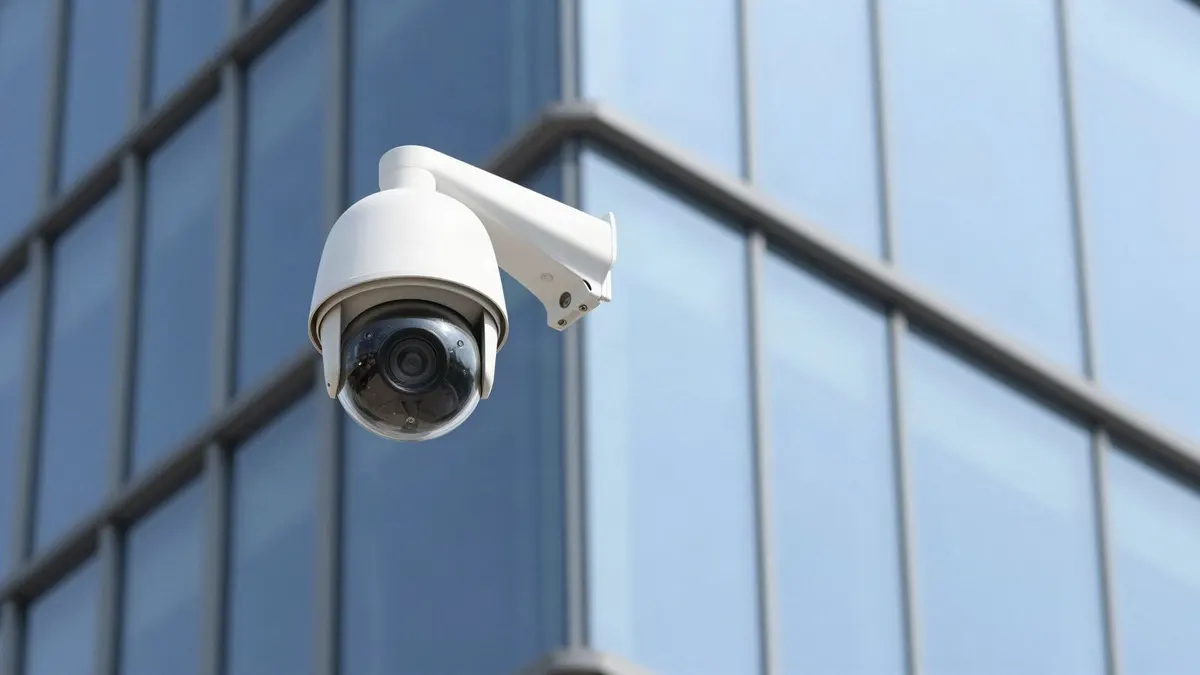
The trend: businesses are adding live video monitoring on top of, or instead of, traditional alarm monitoring.
The decision: what should happen when something trips at night. Traditional alarm monitoring contacts you or dispatches after a sensor goes off. Live video monitoring has an agent look at the cameras, speak to the person on site and escalate with a description of what is actually happening. Choose alarm monitoring for an interior space, like a dental office in Hendersonville, where door contacts and motion sensors cover the risk. Choose video monitoring for outdoor areas where trouble starts before anyone touches a door: lots, fence lines and loading areas. Our comparison of live video monitoring vs alarm monitoring goes deeper.
4. Owners are pushing back on long contracts
The trend: owners are less willing to sign multi-year monitoring agreements that renew automatically.
The decision: what you will sign. Before agreeing to anything, read the term, the renewal clause and what it costs to leave early. Turner Security does not require long-term contracts on security or monitoring, though that is not true of every provider. If you are already in an agreement, put the end date on your calendar now so it does not quietly renew. If you are thinking about a change, our page on switching security providers explains how the handoff works.
5. Security and IT are becoming one job
The trend: cameras, door readers and alarm communicators now run on the same network as your computers and phones.
The decision: one team or two. With two vendors, a camera that drops offline can turn into a week of each side pointing at the other's equipment. With one team, the person troubleshooting the camera can also see the switch it plugs into. Turner Security and TechCore, our sister IT company, share owners, offices and people, so a Chattanooga warehouse or a Franklin office calls one number for both. Choose separate vendors only if your in-house IT staff is strong and wants to own the network side.
Frequently asked questions
Which of these decisions should I make first?
Start with whichever one has a deadline. A contract renewal date or an employee leaving with a key forces the issue. Otherwise, start with how people get in the door, because it shapes most of the other choices.
Can I switch to phone credentials without new door hardware?
Sometimes. Many current readers support both cards and phone credentials, while older readers may need to be replaced. A quick look at the readers you have answers it.
Is live video monitoring worth it for an indoor-only business?
Often not. If your risk is all inside and the building is locked after hours, alarm monitoring may be enough. Video monitoring earns its keep where people can walk onto the property.
Making these calls for your building
You do not have to settle all five at once. Turner Security can walk your building, tell you which decisions matter most for how you operate and help you make them one at a time. Start with our commercial access control page, or call (615) 223-9600 for Middle Tennessee or (423) 344-3787 for the Chattanooga area.