Short answer: Protecting your assets around the clock does not mean paying for live agents every minute of every day. It means making sure every hour is covered by someone: your staff while you are open, and live video monitoring agents during the hours and days you choose when nobody is there. The work is figuring out which hours are actually exposed at your site.
What "around the clock" really means
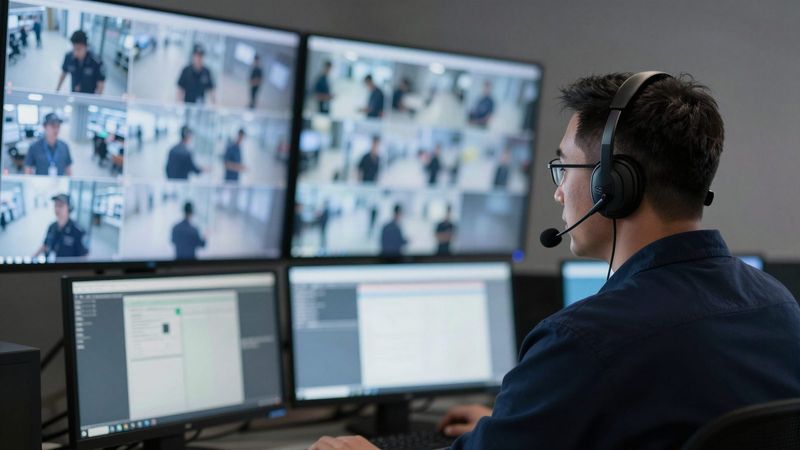
Around the clock should mean every hour has someone responsible for it, not that agents are on your cameras every hour. With Turner Security's live video monitoring, your cameras are watched live during the hours and days you choose, such as nights, weekends and holidays. During business hours, your own people are the eyes on the property. Put together, the goal is that no hour is left without someone watching.
Cost depends on the number of cameras, monitored hours and how many sites you have, so choosing the right hours is how you get full protection without paying for coverage you do not need.
Where the exposed hours are, by type of site
Car dealerships and equipment lots
Lots full of vehicles and machines are at risk from close to dark until the first employee arrives, and all day Sunday if the lot is closed. Holiday weekends stretch that window.
Construction sites
Crews leave in the afternoon, and many sites sit empty from then until early morning, plus weekends. The weekends often matter most, because thieves have more time and nobody notices until Monday.
Warehouses and distribution
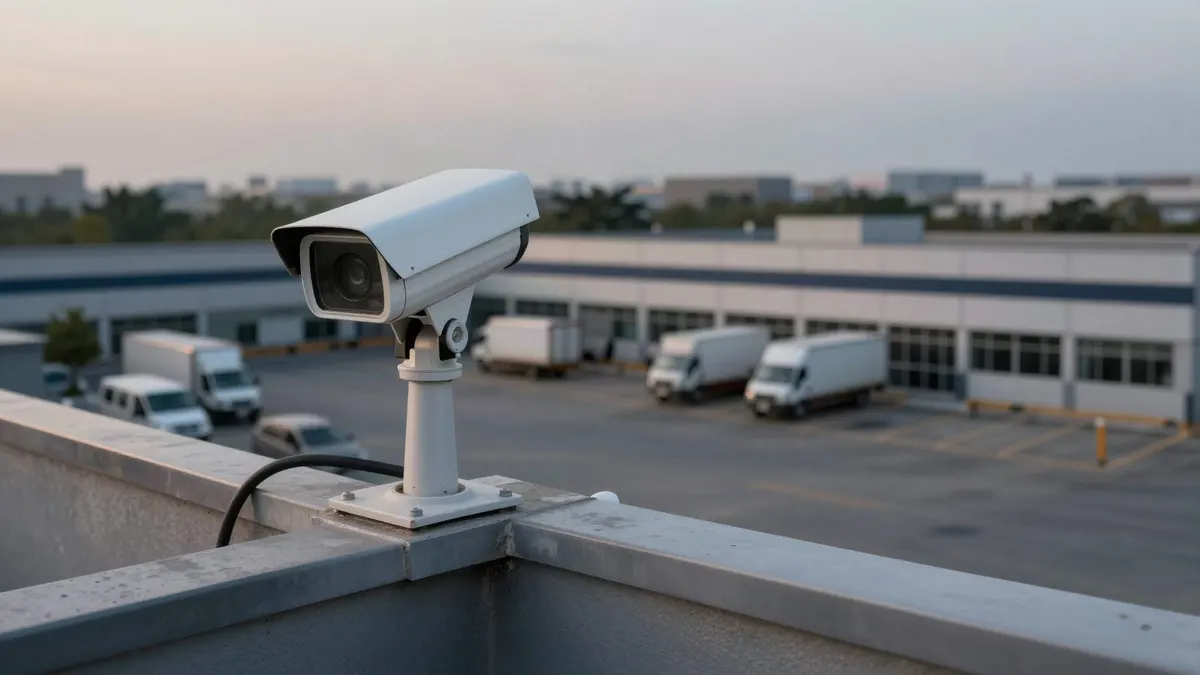
Buildings that run shifts may only be empty for part of the night or on weekends. The gap between the last shift leaving and the first arriving is the window to cover, along with the yard and dock outside even while a crew works inside.
Retail and offices
Usually overnight. The back of the building, the dumpster area and the parking lot after close are the common problem spots.
A simple way to map your hours
- Write down when the last person leaves and the first person arrives on each day of the week.
- Mark holidays and seasonal shutdowns.
- Look at past incidents, even small ones, and note the day and time.
- Add anything special, like a weekend when equipment is staged outside.
The result is your monitoring schedule. It can change as your business does. A dealership in Columbia, for example, might land on every night from close to open plus all of Sunday, while a Chattanooga warehouse running two shifts might only need weekends and the early morning gap between the second shift and the day crew.
Watched hours vs. guard shifts
An on-site guard covers one spot at a time and costs the same whether anything happens or not. A monitoring agent is alerted from any protected camera view on the property and, when someone shows up, speaks to them through an outdoor speaker, then calls police and your contact list if they stay. If you pay for a guard on overnight and weekend shifts, list those hours next to the hours you would have monitored. The overlap is usually large, and the remote option covers every camera view instead of the one spot a guard can stand. We run that comparison against your current guard costs during the assessment. Our guide to remote guarding vs. on-site security guards covers the tradeoffs, including when a person on site is still needed.
What happens during a watched hour
- A camera detects a person or vehicle in a protected area
- AI analytics sends the alert and video to a live agent
- The agent checks the video and speaks through the on-site speaker
- If the person leaves, the event is logged with video and a short report
- If not, the agent calls police and your contacts, and you get the clip
Questions about monitoring hours
Can I add hours for a holiday or special event?
Yes. Monitored hours are set with you, and you can change them as your schedule changes.
Do I need new cameras to start?
Usually not. Most modern camera systems can be connected, sometimes with a small upgrade, a speaker or AI analytics added. We confirm compatibility during the site review.
Can different sites have different monitored hours?
Yes. Each property gets its own schedule, zones and call list, so a dealership and a warehouse under the same company can be watched on different hours. Neither is tied to a long-term monitoring agreement.
Build your coverage schedule with us
Bring your opening and closing times and any incident history, and we will help you choose which hours need live eyes. Call our Smyrna office at (615) 223-9600 or see live video monitoring in Nashville. In Chattanooga, call (423) 344-3787 or see live video monitoring in Chattanooga.