Short answer: Live video monitoring improves emergency response because a trained agent sees what is happening on your cameras while it happens, can speak to people on site through a speaker, and calls police and your contacts with a clear description instead of a bare alarm signal. How well that works in a real emergency depends on decisions you make ahead of time: monitored hours, call lists, site instructions and speaker placement. It is a security service, not a replacement for a fire alarm system.
What happens when an alert comes in
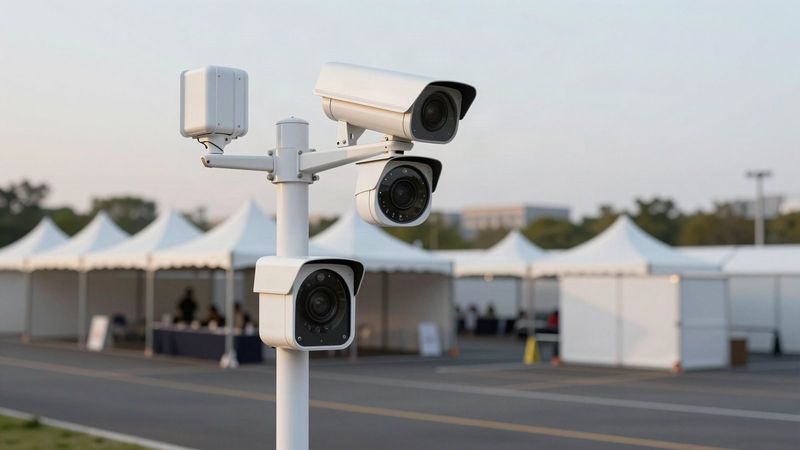
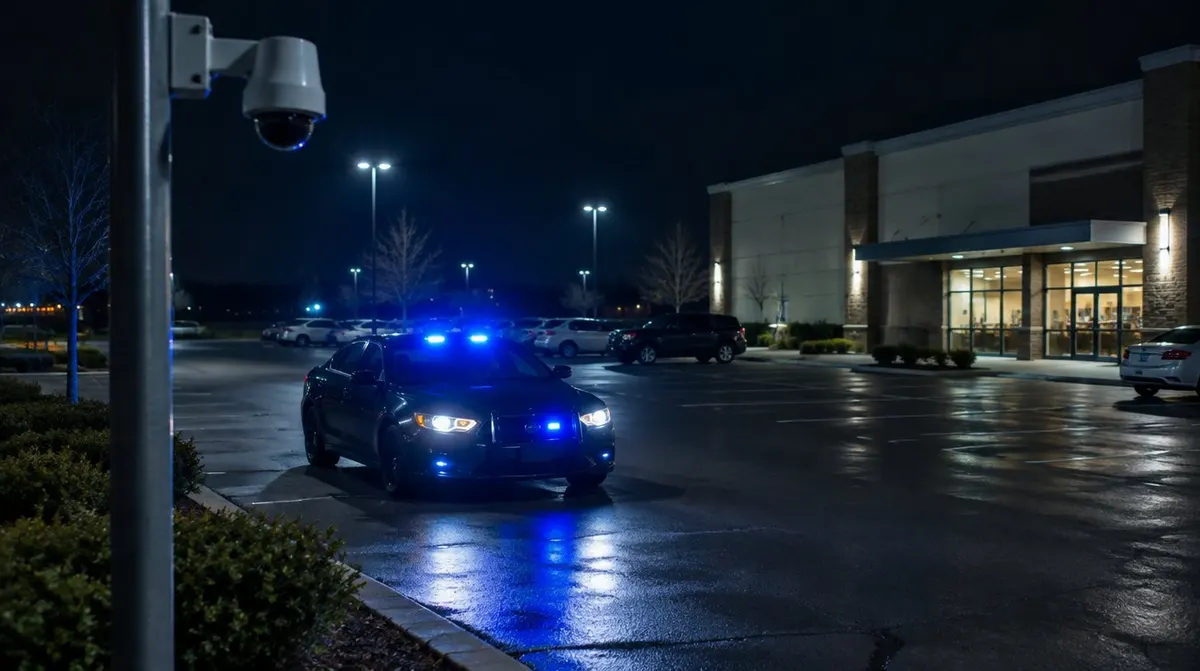
On a site with remote guarding, the sequence is straightforward. A camera detects a person or vehicle in a protected area during monitored hours. AI analytics send the alert and the video to a live agent. The agent looks at the video and decides what it is. If it is a trespasser, the agent speaks through the on-site speaker, describing the person and telling them they are being watched. That is often enough to send them off. If they stay, or the threat is real, the agent calls police and works down your contact list. You get a report and a video clip afterward.
The difference from a traditional burglar alarm is the information. An alarm tells a monitoring center that a sensor tripped. An agent watching video can tell responders how many people are on site, where they are and what they are doing.
Set it up before you need it
Most of the value in an emergency comes from planning done on a normal Tuesday. Before monitoring goes live, Turner Security works through these with you:
Monitored hours
Nights, weekends, holidays or specific windows. Many businesses in Murfreesboro and Chattanooga start with overnight and weekend coverage and adjust later.
Protected zones
Which camera views and which areas count, such as the fence line, the lot after close or the dock. Zones keep alerts focused on places that matter.
Call list and escalation rules
Who gets called, in what order, and for what. A trespasser at the fence may call for talk-down and a report. A person forcing a door may call for police and the owner at once. Write down what the agent should do in each case.
Site notes
Gate codes for responders, which entrance police should use, where the key holder lives, whether anyone works late. Details like these save time when it counts.
Speaker placement
Talk-down only works if the person can hear it. Speakers go where trespassers actually show up.
What live video monitoring does not replace
Video monitoring watches for people and vehicles. It is not a substitute for systems built for life safety:
- Fire detection and notification belong to a fire alarm system that is designed, inspected and serviced for that purpose. See commercial fire protection.
- A medical emergency inside a building still depends on people on site calling 911.
- Intrusion alarm sensors on doors and windows still have a role, and many businesses combine them with video. Our guide on live video monitoring vs alarm monitoring explains how they compare.
Who uses it most
Lots, yards, dealerships, construction sites, warehouses and multi-site businesses get the most from live monitoring. One national chemical distributor with 137 locations across the US and Canada replaced its guards with live video monitoring and saved more than $2 million. Not every site will see that result, but the comparison is worth running for any business paying for guard shifts. Full details are on the remote guarding and live video monitoring page.
FAQ
Does a live agent call the police?
Yes, when the situation calls for it. Agents follow the escalation steps you set and contact police and your contact list when a threat is real.
Can I use my existing cameras for live monitoring?
Most sites can. We review your cameras, network, lighting and problem areas, then add speakers, cameras or analytics where needed.
Will the agent call me before calling police?
That is your decision. The escalation steps you set decide whether a manager is called first, police are called first or both happen at once, and they can be different for a trespasser at the fence and someone forcing a door.
Build your site's response plan
If you want an agent on your cameras when something goes wrong, start with a site and camera review. Middle Tennessee businesses can call our Smyrna office at (615) 223-9600. Chattanooga and North Georgia businesses can call (423) 344-3787.