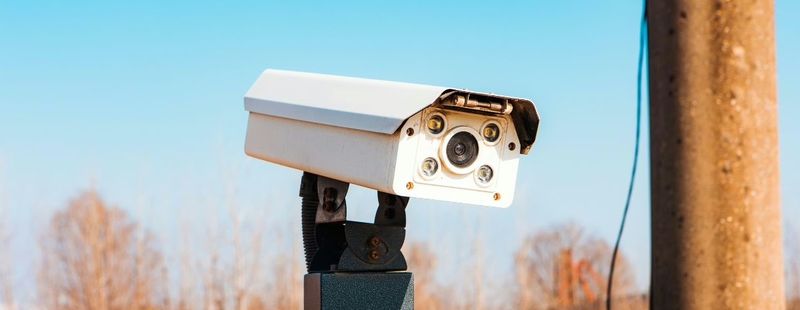
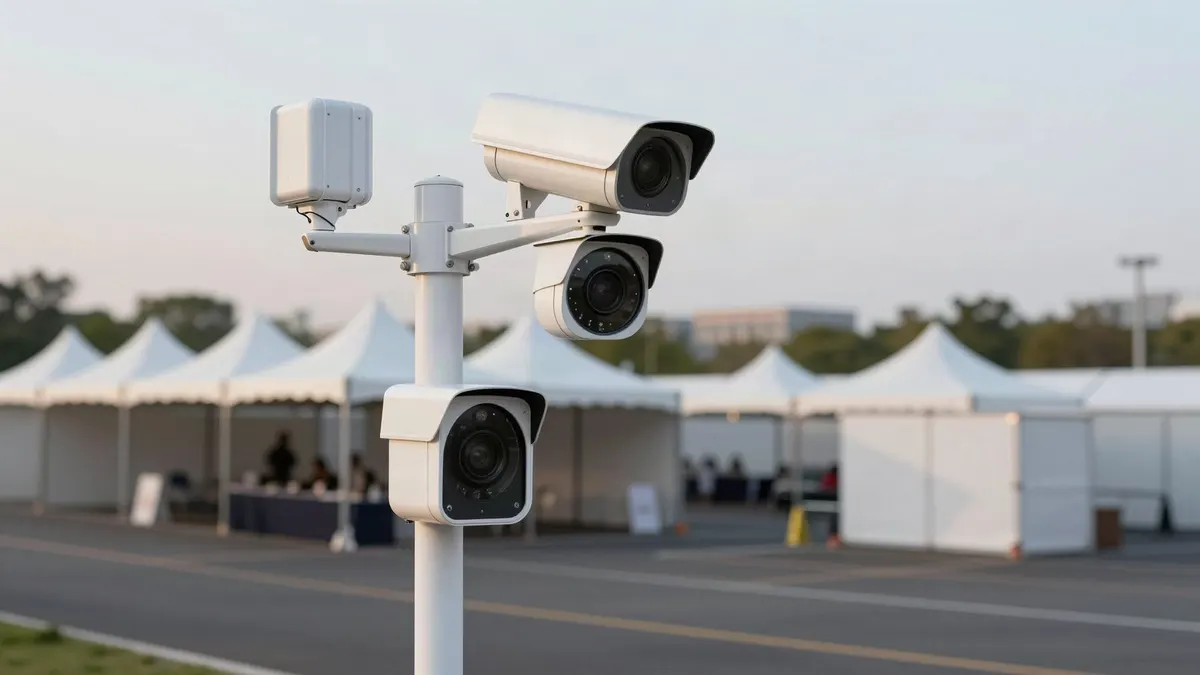
Short answer: Temporary security works best when it is planned around the calendar of the job or the event, not bought as a single box. Decide when the site is most exposed, put self-powered camera trailers where the valuable things sit during that stretch, add live monitoring for the hours nobody is there, and plan the move or pickup date before the first unit arrives.
Why "temporary" is a planning problem, not a product
A permanent building gets cameras once. A job site changes every few weeks, and an event lot may only exist for a weekend. The fence line moves, the material laydown area moves, and the thing a thief wants changes too. Coverage that was perfect during grading can be pointed at an empty corner by the time drywall shows up.
That is why Turner Security plans temporary coverage with a timeline in hand. Our mobile security camera trailers run on solar panels with battery backup and send video over a cellular connection, so they can go where there is no building power or network yet, and they can be repositioned as the site changes.
Build a coverage calendar, not a one-time drop
Before the first unit arrives, sketch the job as a calendar with three columns: what is on site, where it sits, and who is there at night. A two-story office build in Nolensville or a retail pad near Soddy-Daisy makes a good test case.
Early weeks: open ground
Machines and fuel are the targets, and they tend to be parked in one spot at the end of each day. One trailer with a clear view of that spot and the construction entrance usually does more than several units spread thin. Write down the date the equipment park is expected to move.
Middle of the job: stockpiles and containers
Once lumber, copper and tool deliveries start and locked containers fill up, coverage needs to see the laydown yard and the gate trucks use. Put the first delivery date on the calendar. It is usually the first scheduled move for a trailer.
Closing weeks: the handoff gap
The building locks, but deliveries get staged by the doors. Put the trailer pickup date on the calendar and decide whether the permanent cameras will be live before it leaves. A few unwatched nights between the two is a common and avoidable gap.
Events, seasonal lots and short stays
Events have a different shape: a setup night, the event itself and a teardown. The quiet nights before and after are often when staged equipment, vendor goods and generators sit unattended. Seasonal sales lots and overflow parking have a similar pattern, busy by day and empty at night.
For these, the questions are simple. Where do people and vehicles enter? Where is gear stored overnight? Which nights have nobody on site? A trailer placed to see the entrance and the storage area, with live monitoring on the empty nights, covers the gap without paying for staff to stand around.
Recording only vs. live monitoring
A trailer that records gives you video to hand to police and your insurer. A trailer connected to live video monitoring and remote guarding lets a monitoring agent speak to someone on the site through the unit and call police or your contact list if they do not leave. For a site that is empty from evening until the first crew shows up, that difference is usually what decides whether the equipment is still there in the morning.
You choose the monitored hours. Many builders only need nights, weekends and holidays covered, because a crew is on site during the day.
What to have ready when you request coverage
- The site address and the gate or entrance trucks use
- Start date and best guess at the end date, even if it may slip
- Where equipment parks, where material is stored and where containers sit
- Which hours and days the site is empty
- Who should be called first if something happens, and their numbers
- Any planned phase change that will move the laydown area
With that list, we can recommend how many units you need and where they go during a site visit.
Mistakes that leave temporary sites exposed
- Placing the trailer where it is convenient to drop instead of where it can see the equipment
- Never moving it after the laydown area moves
- Recording only, with nobody reviewing video until Monday
- Leaving the call list with a superintendent who has since moved to another job
- Forgetting the teardown nights after an event, when gear is packed and waiting
Temporary site security questions
How long can a camera trailer stay on one site?
As long as the job needs it. Units are self-powered and connected by cellular, so they can stay for a short event or the length of a project, and be moved to your next site afterward.
Can one trailer cover a whole construction site?
Sometimes, on a compact site with one entrance and one storage area. Larger or spread-out sites usually need more than one unit. We look at sight lines during the site visit before recommending a number.
Do you cover sites outside Nashville and Chattanooga?
Yes. We serve job sites across Middle Tennessee from our Smyrna office and the Chattanooga region from our Chattanooga office, including construction site security in Chattanooga and north Georgia.
Get a site plan before the first truck rolls in
Send us the dates and a rough site map, or tell us about the event, and we will plan where trailers go and which nights need live monitoring. Call our Smyrna office at (615) 223-9600 for Nashville and Middle Tennessee, or our Chattanooga office at (423) 344-3787 for the Chattanooga area and north Georgia.