Short answer: Remote construction sites sit empty at night and on weekends, usually without permanent power or internet, while holding equipment, fuel, copper and materials that are easy to haul off. Video surveillance, especially solar camera trailers paired with live monitoring, gives you both a record of what happens and a way to stop theft while it is happening.
Why remote sites are different
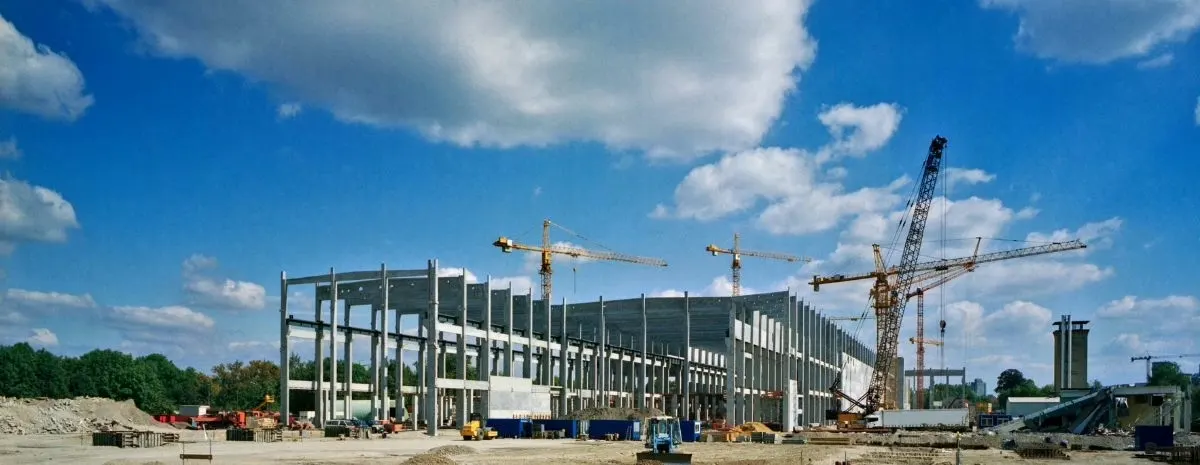
Think of a subdivision going in on the edge of Murfreesboro, Lebanon or Gallatin, a warehouse pad off I-75 between Chattanooga and Cleveland, or a utility project on a county road. The common thread:
- No building power or network for months.
- Open on several sides, with temporary fencing at best.
- Little or no lighting.
- Nobody on site from evening until the crew arrives in the morning, and all weekend.
- Neighbors who cannot tell your crew from someone loading a trailer at midnight.
Those conditions make a site easy to look over during the day and easy to hit at night. Thieves watch for equipment parked in the same spot every evening and for materials delivered ahead of installation, such as copper wire, HVAC units and appliances.
What to protect, and where to point cameras
- The entrance and access road. Every vehicle that comes in has to pass here.
- The laydown yard. Lumber, copper wire, pipe and appliances waiting to be installed.
- Parked equipment. Skid steers, excavators, generators and light towers.
- Fuel tanks and job boxes. Small, valuable and quick to empty.
- The building itself once it is framed and holding installed materials.
Mobile trailers early, permanent cameras later
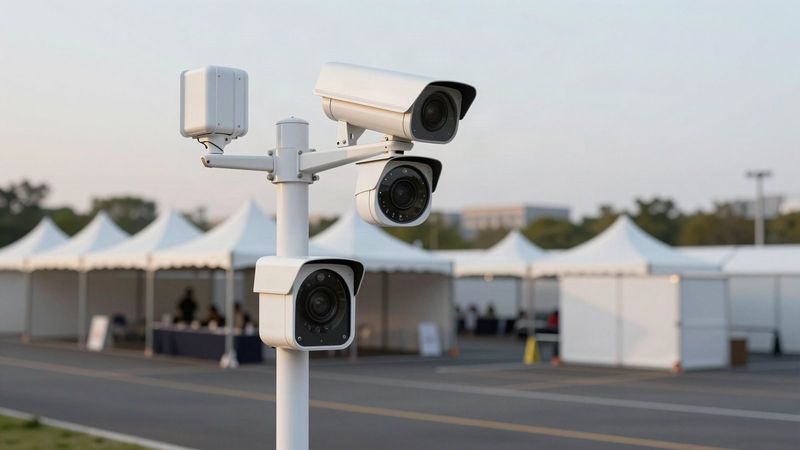
In the early phases a mobile camera trailer is usually the right tool. It runs on solar panels and batteries, sends video over a cellular connection and puts cameras on a raised mast where a thief can see them before stepping on the site. As the project moves from site work to framing to finish, the trailer can be repositioned, then moved to your next job. Once the building has power and network, permanent cameras can take over.
Recording is not the same as protection
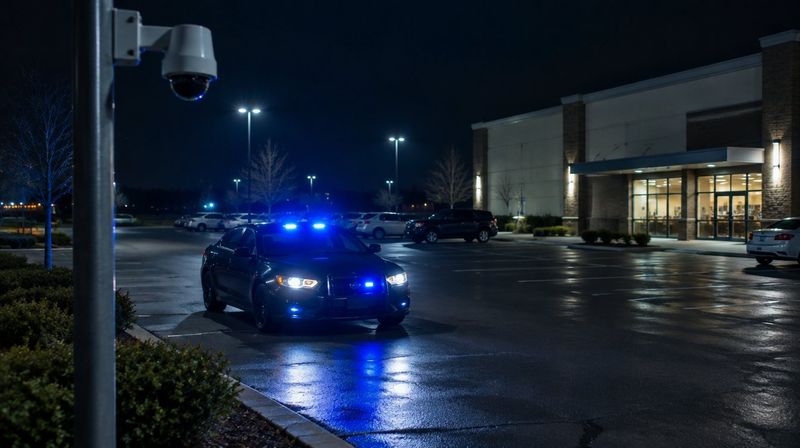
A recording you review Monday morning helps with a police report. It does not get your generator back. Adding live video monitoring means monitoring agents watch the site during the hours you choose, speak to trespassers through the trailer's speaker and call police or your superintendent when someone does not leave. AI video analytics can screen out most wind, shadow and animal triggers so agents can focus on real people and vehicles.
Setting up a job site the right way
- Walk the site with the superintendent. Mark the entrance, laydown area, equipment parking and fuel.
- Place the trailer for the view, not the convenience. It needs a clear line to the gate and the yard, open sky for the solar panels and a usable cellular signal.
- Post signs at the entrance that the site is under video surveillance.
- Set monitoring hours from the end of the shift to the start of the next one, plus weekends and holidays.
- Write the call list, including the superintendent and whoever can meet police at the gate.
- Move the camera as the job changes. Revisit placement at each phase.
Mistakes contractors make
- Letting material stacks block the view. A trailer that was well placed in week one can be blind by week six.
- Watching only the gate. Thieves often come in through the side that faces the woods or a neighboring lot.
- An outdated call list. When the superintendent changes, update who gets called.
- Waiting for the first loss. Theft often starts as soon as equipment and materials show up.
Frequently asked questions
Do construction site cameras need power or internet on site?
Not with a mobile trailer. It runs on solar and battery power and connects over cellular, so it works on a raw site.
Can I check the site from my phone?
Yes. You can watch live and pull up recordings remotely.
Can the trailer move to my next project?
Yes. Trailers are built to be repositioned on a site and moved between jobs.
Protect your next job site
See our mobile camera systems, or for projects in the Chattanooga area, our Chattanooga construction site security page, and request a quote. Call our Smyrna office at (615) 223-9600 for Nashville and Middle Tennessee, or our Chattanooga office at (423) 344-3787.