Short answer: For most businesses, commercial fire protection centers on the fire alarm system: devices that detect smoke, heat or sprinkler flow, horns and strobes that get people out, and monitoring that gets the fire department called. Just as important is the inspection, testing and service that keeps the system working and ready for the fire marshal.
The parts of a commercial fire alarm system
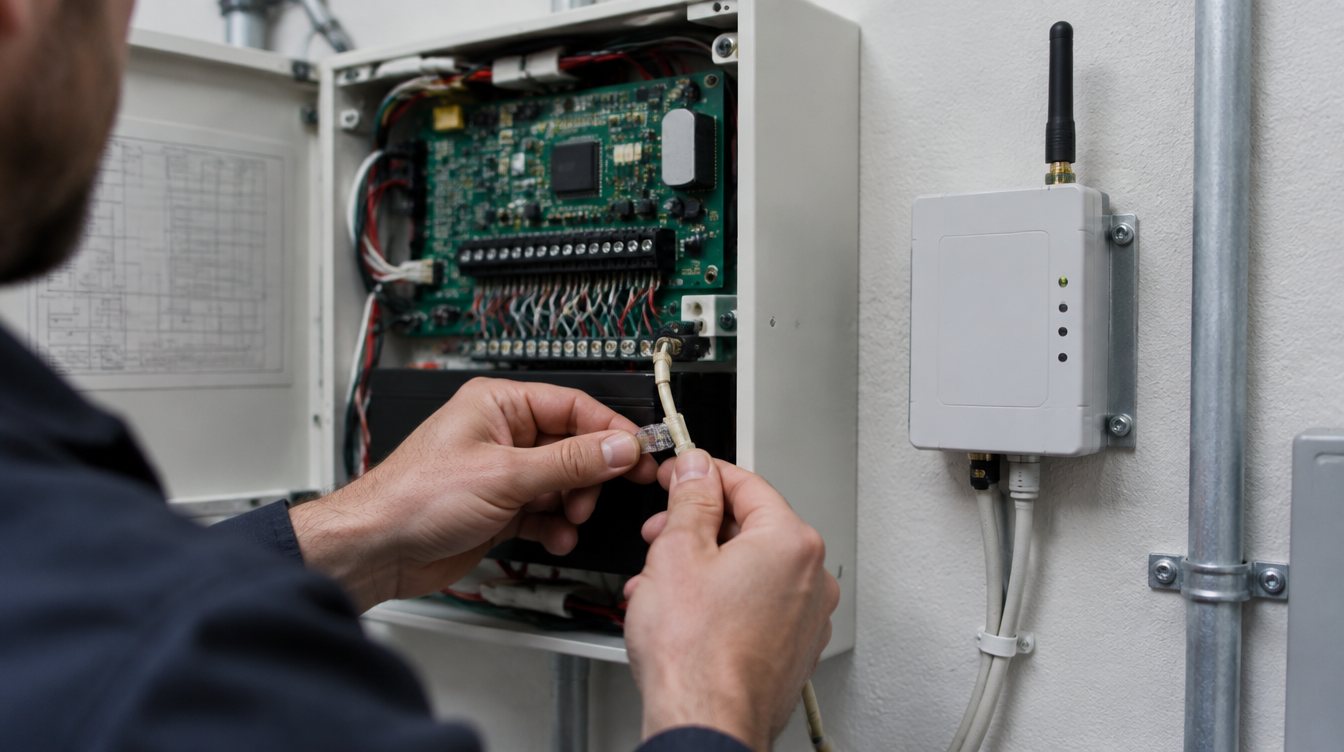
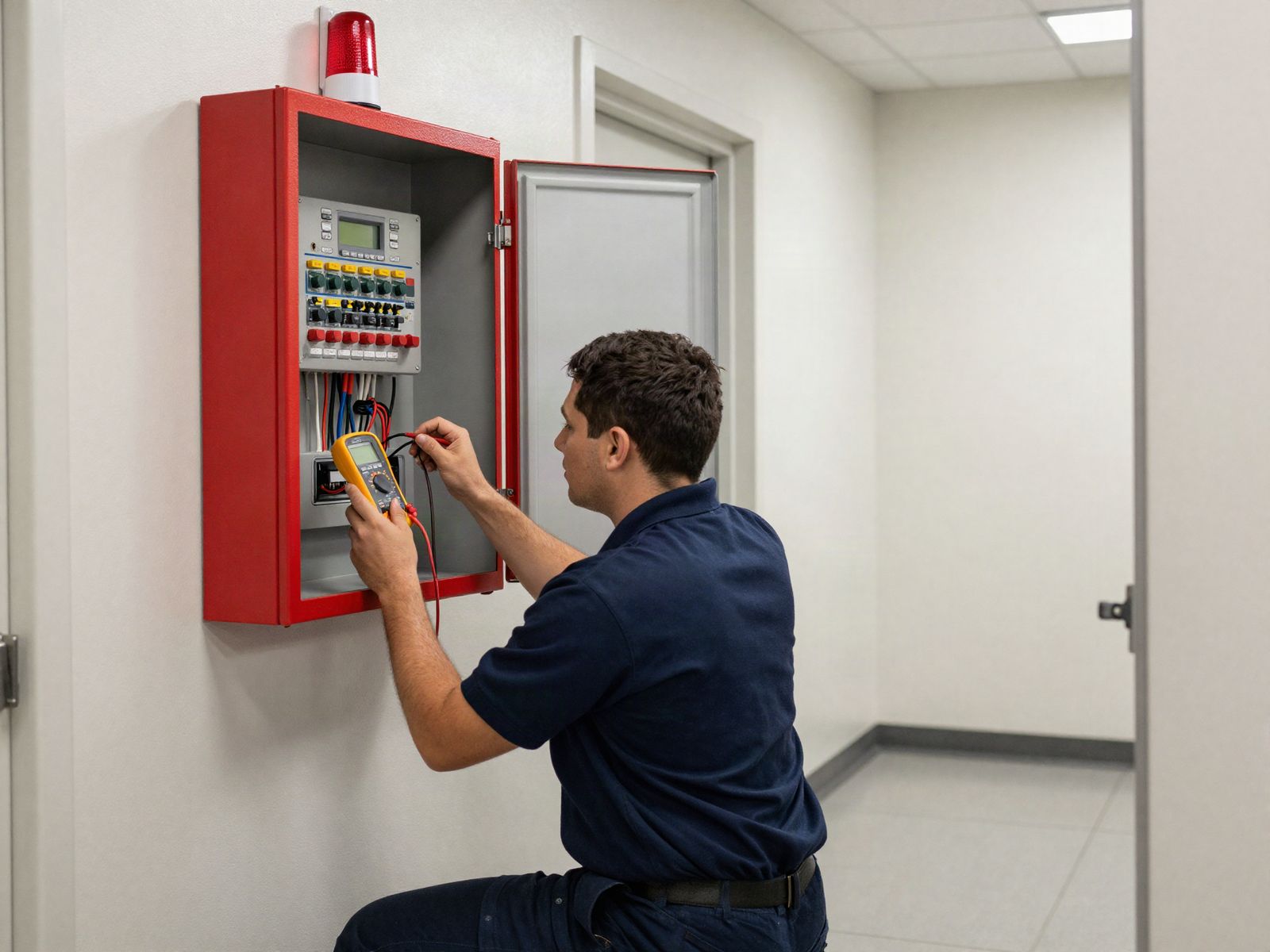
- Control panel: the brain of the system, which receives signals and triggers alarms.
- Detection: smoke detectors, heat detectors, manual pull stations, and sprinkler flow and tamper switches.
- Notification: horns, strobes and speakers that alert everyone in the building.
- Monitoring: alarm, supervisory and trouble signals sent to a central station that dispatches the fire department and notifies your contacts.
Sprinkler systems are a separate system, but the fire alarm watches them through flow and tamper switches, so the two have to be planned together.
Who sets the rules
Fire alarm requirements depend on your building, how it is used and the codes your local jurisdiction enforces. At the state level, the Tennessee State Fire Marshal's Office lists the codes it has adopted, including the 2021 International Fire Code, which took effect in April 2025. Your local fire marshal or code official is the one who decides what your building needs, so bring them in early on any new project.
Situations where businesses need fire alarm work
- A new buildout or tenant finish in a new building in Murfreesboro, Franklin or Chattanooga.
- A change of use, such as turning warehouse space into offices or adding a kitchen.
- An inherited system in a building you just bought or leased, with no records and no idea who serviced it.
- A trouble signal that keeps beeping at the panel.
- Repeated false alarms from a failing detector or a device in the wrong spot.
- A failed inspection with a list of items to correct.
Inspection, testing and service
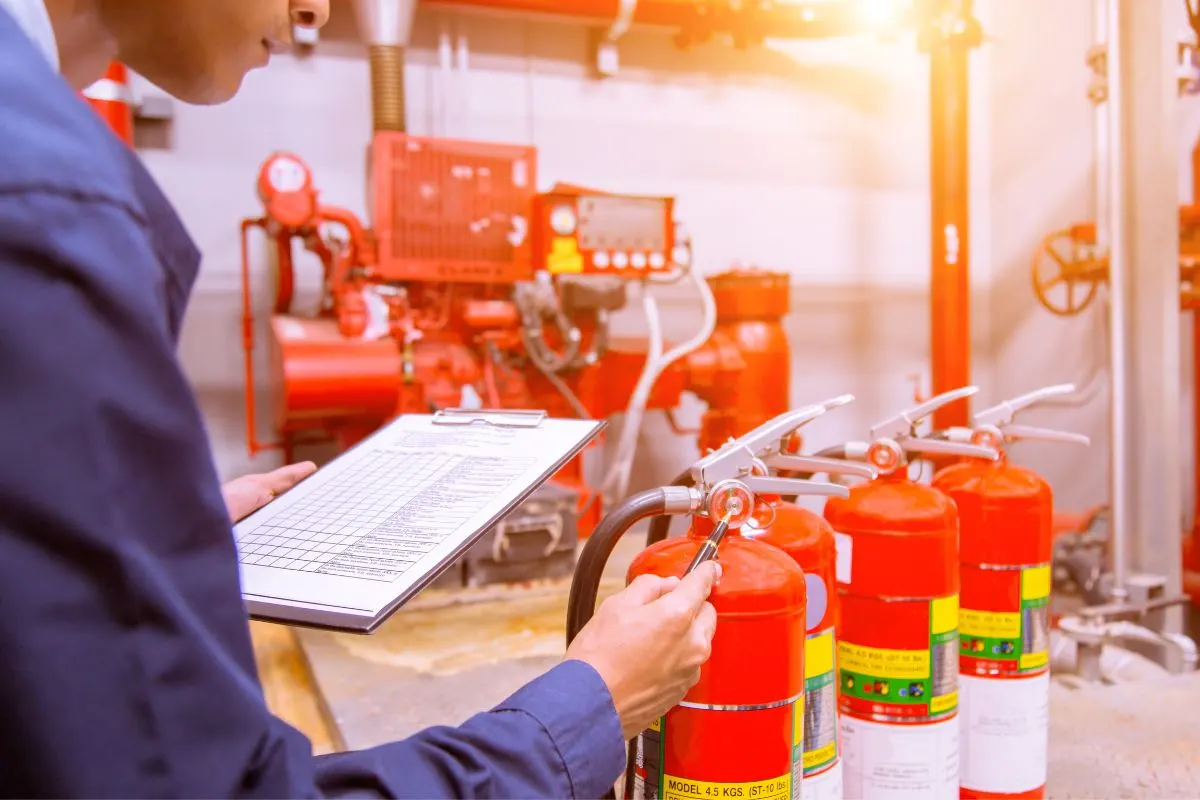
A fire alarm sits quietly for years and has to work perfectly on the one day it matters. Inspection and testing intervals are set by the codes your jurisdiction enforces and vary by device. What every business should do:
- Know who services your system and when the next inspection is due.
- Keep the inspection reports on file where you can find them.
- Act on trouble signals quickly. A trouble signal means part of the system may not work.
- Update your monitoring contact list whenever staff changes.
- Call before you remodel. Moving walls or changing a room's use can mean adding or moving devices.
Fire alarms as part of the whole security picture
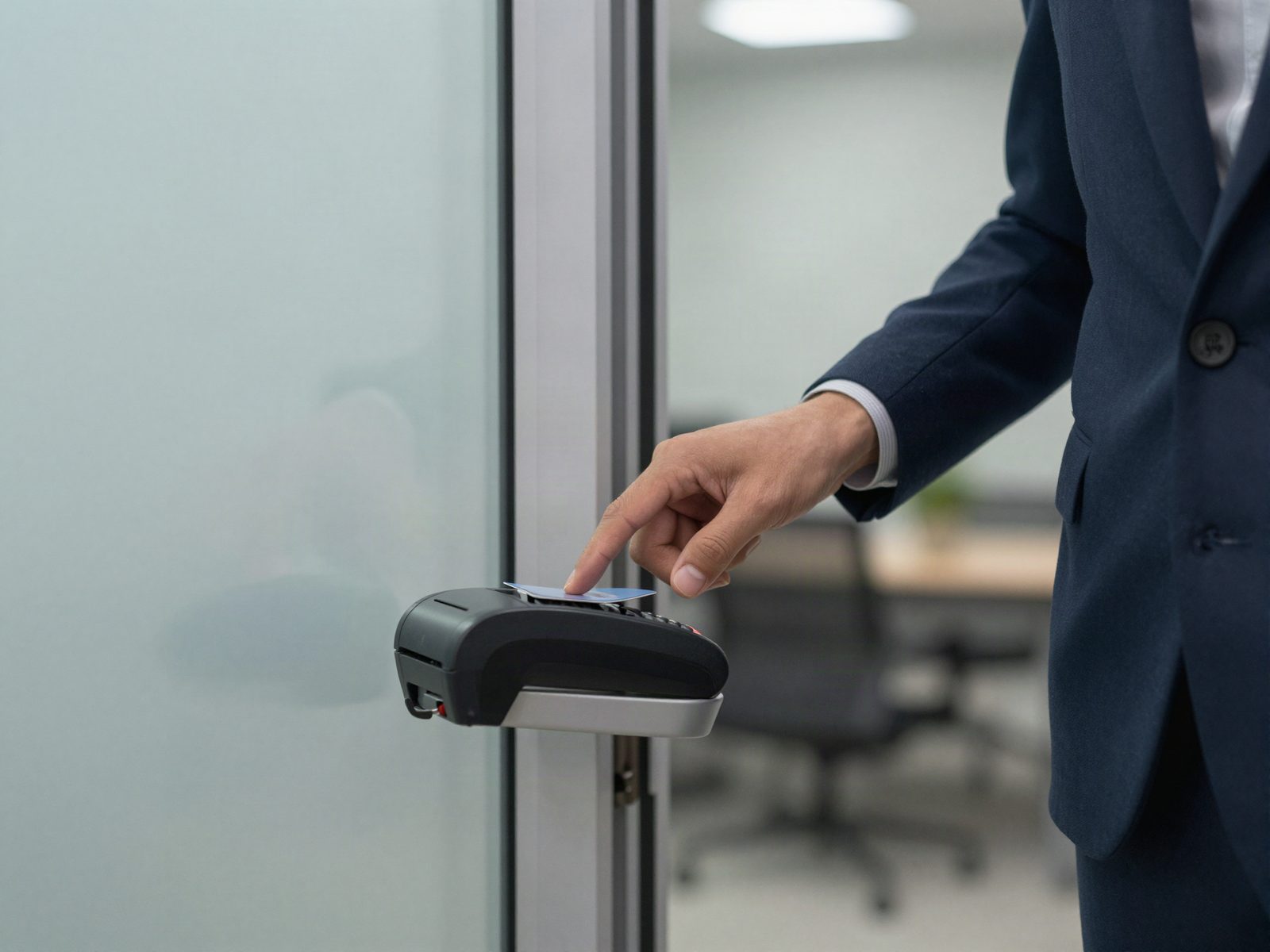
Fire alarms work best when they are planned with the rest of your security: cameras, access control and intrusion alarms. Locked doors and egress have to be thought through together, and having one company that knows the whole building makes service calls simpler.
How Turner Security helps
Turner installs, monitors, inspects and services commercial fire alarm systems across Middle Tennessee and the Chattanooga area, including systems another company installed. We can often schedule service the same day you call, and we do not lock monitoring customers into long-term contracts.
Mistakes to avoid
- Silencing a trouble signal and forgetting about it.
- Remodeling without checking the fire alarm, then finding out at final inspection.
- Losing track of records when a building changes hands.
Frequently asked questions
How often does a commercial fire alarm need to be inspected?
It depends on the device and the codes your jurisdiction enforces. Turner can tell you what is due on your system and schedule the inspection and testing.
Can Turner take over a system another company installed?
Yes. We review older panels and devices and give you a clear answer on what can be kept, repaired or replaced.
What is a trouble signal?
It is the panel telling you something in the system is not working right, such as a failed device, a wiring problem or a power issue. Have it checked promptly.
Get your fire alarm system checked
Learn more about commercial fire protection, including our Nashville and Chattanooga service, and request a quote. Call our Smyrna office at (615) 223-9600 for Nashville and Middle Tennessee, or our Chattanooga office at (423) 344-3787.