Short answer: Flock Safety makes solar powered, wireless license plate reader cameras and sells them to police departments, cities, HOAs and private businesses, with plate reads stored in Flock's own cloud platform. A business-owned license plate recognition (LPR) system is a set of plate cameras that become part of your own security camera system, so plate reads sit next to your video, connect to your gates and access control, and follow the retention and sharing rules your business sets. Neither is "better" in general: Flock tends to fit communities and organizations that want to be part of a wider plate-reading network, and a business-owned system tends to fit sites that want plate data tied tightly to their own cameras, gates and monitoring.
If you are searching "Flock cameras" because a neighbor, landlord or city has them, here is what they are, how a business system differs, and how to decide which one fits your property.
What are Flock Safety cameras?
Flock Safety is a company that builds license plate reader cameras and the software behind them. According to Flock, its cameras are solar powered and wireless, and in addition to the plate number they record vehicle details such as make, model, color and visible features, which Flock calls Vehicle Fingerprint.
Flock is best known for systems used by law enforcement agencies and cities, and for neighborhood systems bought by HOAs. Flock also lists private sector customers including retail, property management, healthcare, hospitality, logistics and manufacturing.
A few points Flock states in its own published policies:
- Ownership. Flock says customers own their camera data and that it does not sell that data to third parties.
- Sharing. Flock says private customers, such as businesses and HOAs, decide whether to share access with law enforcement agencies, and that sharing can be revoked.
- Retention. Flock's LPR policy describes plate data being deleted on a rolling 30 day basis by default, with changes possible based on customer or local policy. Flock has also announced a shorter seven day default for new law enforcement customers.
Because these are the vendor's own descriptions, any business considering Flock should read the current contract and data policy directly before signing.
How is a business-owned LPR system different?
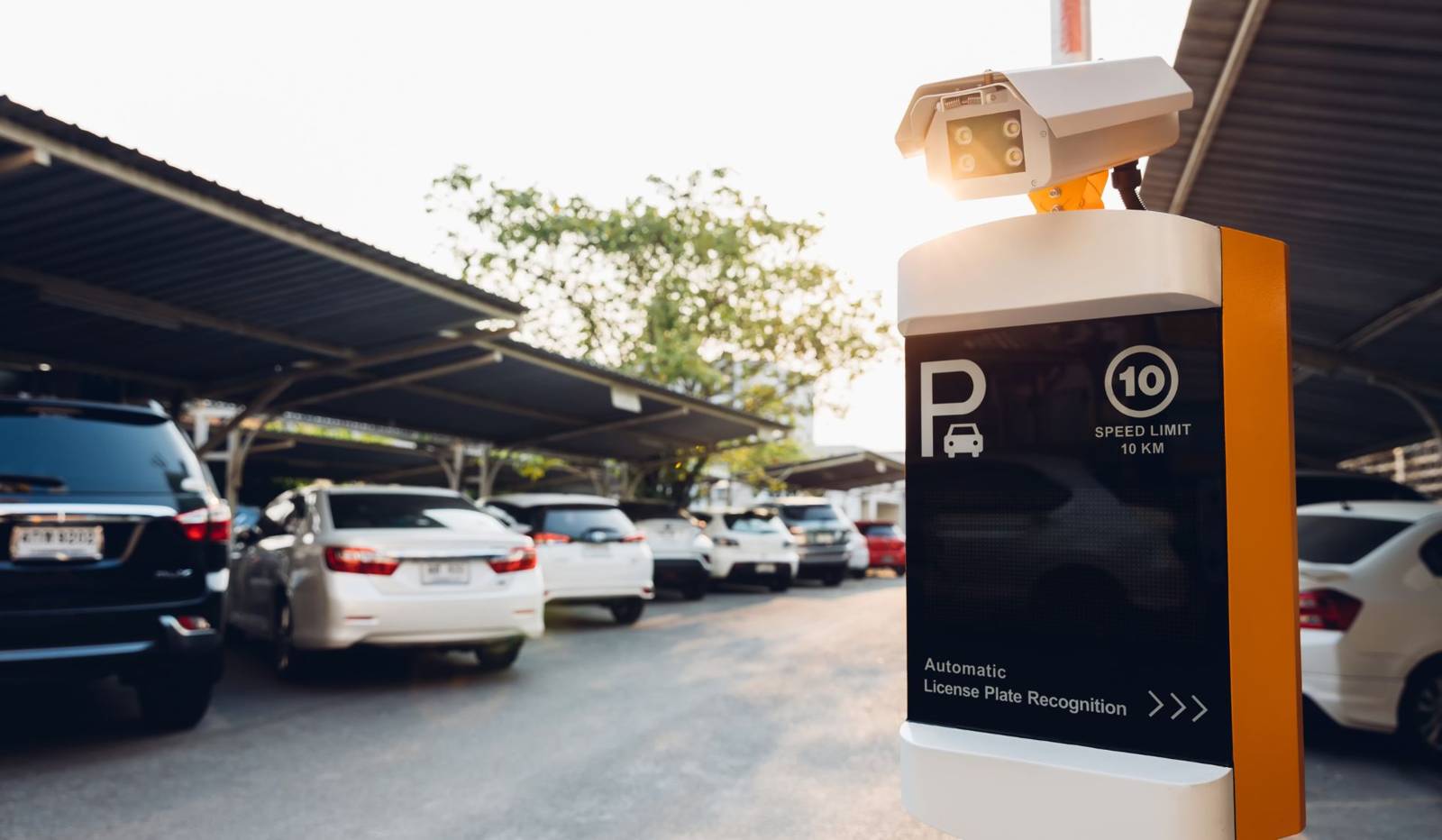
A business-owned system uses plate-reading cameras installed at your entrances and exits and connected to the same video platform as the rest of your cameras. The main differences are about where the data lives and what it connects to.
| Question | Flock deployment | Business-owned LPR system |
|---|---|---|
| Where plate reads are stored | Flock's cloud platform | Your video management or cloud video platform |
| Who sets retention | Flock policy, adjustable by customer or local rules | Your business, within legal limits |
| Who decides on sharing | The customer, through Flock's sharing settings | Your business, case by case |
| Tied to your other cameras | Separate system unless integrated | Same timeline as your existing video |
| Gate and access control link | Depends on setup | Can open gates for known vehicles and flag unknown ones |
| Live monitoring | Alerts through Flock's software | Alerts can go to your live video monitoring team |
| Typical buyer | Police, cities, HOAs, some businesses | Businesses protecting their own property |
The practical difference shows up after an incident. With plate reads on the same timeline as your cameras, you can search a plate number and jump straight to the video of that vehicle at the gate, the dock and the parking lot, in one place.
What does a business-owned LPR system let you do?
- Search by plate. Find every visit from one vehicle over the last few weeks without scrubbing hours of footage.
- Flag vehicles. Build your own lists: known employees and vendors, a former contractor, a vehicle seen in an earlier theft.
- Control gates. Pair plate reads with commercial access control so approved vehicles get in and unknown ones are reviewed.
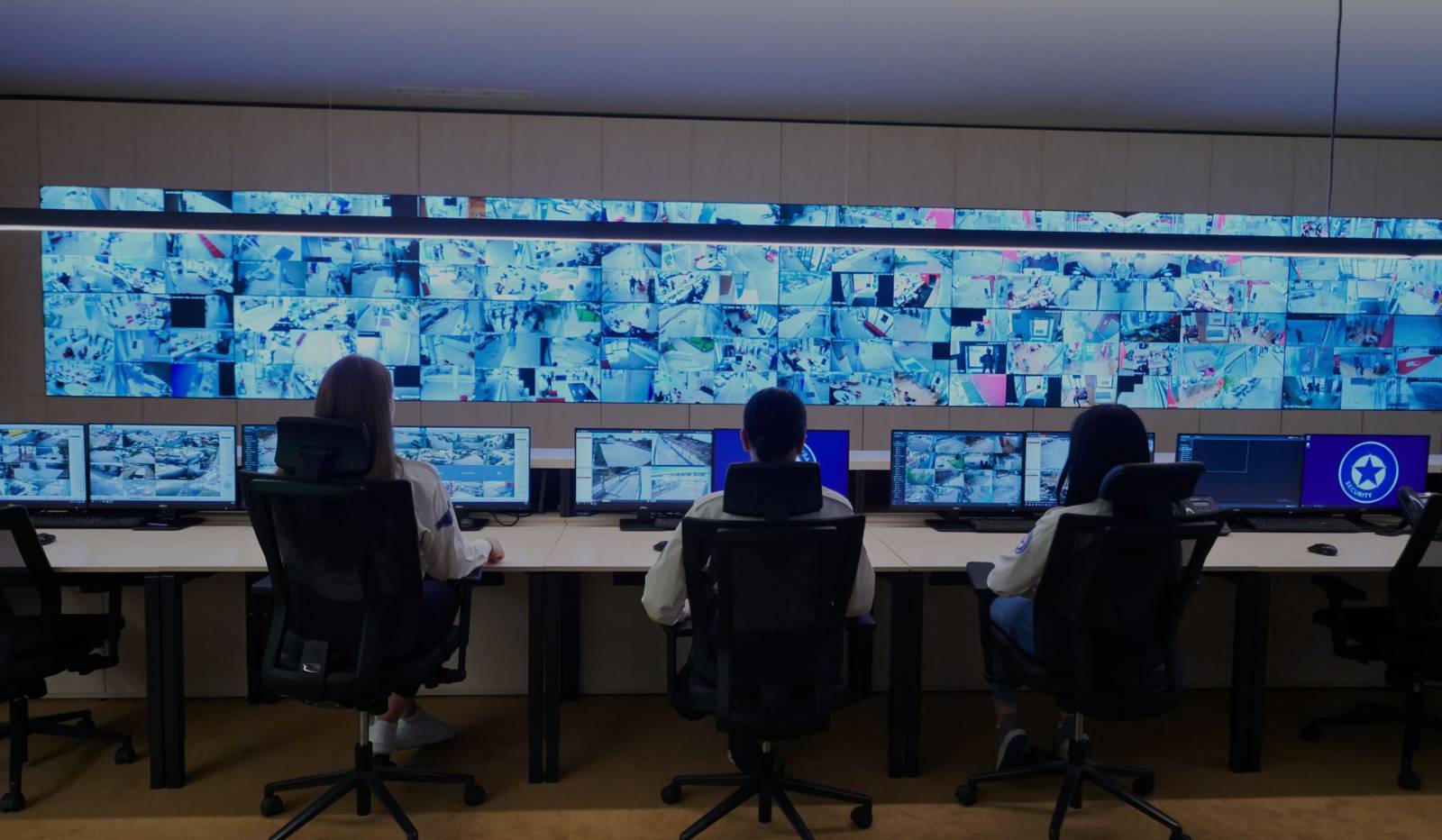
- Alert a person in real time. When a flagged plate pulls in after hours, a monitoring agent can look at the live video and respond through a speaker while the vehicle is still on site.
- Keep the data private. Reads are available to the people your business authorizes, and shared with police when you choose to, for example after a theft.
For more on how plate recognition works for a single site, see our page on protecting your business with license plate recognition technology.
Are license plate readers legal for a business to use?
In most of the US, a business can record vehicles entering its own property, but the rules vary by state and they keep changing. The National Conference of State Legislatures tracks ALPR statutes in more than two dozen states. Most of those laws focus on how police and government agencies use and keep plate data, but a few reach private operators too:
- Arkansas generally restricts private use of plate readers, with exceptions that include landowners and commercial businesses monitoring access to their own property, and limits how long those users may keep the data.
- California places duties on ALPR operators, including a public usage and privacy policy, reasonable security for the data and limits on selling or sharing it.
- Maine limits ALPR use to specified government entities and purposes.
- Tennessee limits how long government entities may keep captured plate data (90 days unless it is part of an ongoing investigation). That rule is aimed at government, not private businesses.
Because these laws differ and are actively being debated, treat this as general background, not legal advice. Before you install plate readers, especially in a state with an ALPR statute, confirm the current rules with your attorney. Good practice almost everywhere: post signs that the area is under video surveillance, keep plate data only as long as you need it, limit who can search it and keep a record of who shared what with whom.
When does Flock make sense, and when does your own system?
Flock tends to fit when:
- The property is a neighborhood or HOA that wants plate reads at its entrances and wants to share with local police.
- The organization wants a standalone, solar powered camera with no wiring to an existing system.
- Being part of a wider law enforcement sharing network is the main goal.
A business-owned system tends to fit when:
- You already have security cameras and want plate reads on the same timeline.
- You have gates, truck lanes or a guard shack and want plates tied to access control.
- You use, or plan to use, live video monitoring and want plate alerts to reach a person who can respond.
- You want your own retention period and your own decision on every request for data.
- You run several sites and want one standard across all of them.
Some properties use both: a city or HOA may run Flock cameras on public roads nearby while the business runs its own plate cameras at its gates.
FAQ
Is Flock only for police departments?
No. Flock is best known for law enforcement and HOA systems, but it also lists private sector customers such as retailers, property managers and logistics companies.
Can my business share its own plate data with police?
Yes, if your business chooses to and state law allows it. With your own system, you decide case by case, for example pulling the reads from the night of a break-in and handing them to the investigating officer.
Do I need special cameras to read plates?
Usually. General purpose cameras are set up to see a wide area, so plates come out too small or too blurry, especially at night. Plate cameras are set up for a narrow view and use infrared lighting to read plates in the dark.
How long should a business keep plate data?
Long enough to investigate incidents, and no longer than you need. Check whether your state sets a limit, write down your retention period and apply it the same way every time.
Talk through the right setup for your property
Turner Security has installed commercial security systems since 1976 and takes commercial jobs anywhere in the US. We install license plate recognition cameras that connect to your existing cameras, gates and live monitoring, and we work with property managers, yards, distribution sites and multi-location businesses. Ask for a free security assessment and we will show you where plates can be read and what the system would need.