Short answer: Remote video monitoring for a business is usually priced per camera per month, per site per month or per verified event. Industry pricing guides published in 2026 put typical live monitoring at roughly $50 to $150 per camera per month, which works out to about $200 to $1,200 a month for a small site with 4 to 8 cameras and about $500 to $3,000 a month for a site with 10 to 20 cameras. Your real number depends on how many cameras are watched, which hours, how busy the site is and what the monitoring team is expected to do when something happens.
Those are typical published ranges, not a price list. Two sites with the same camera count can land far apart, so it helps to understand what you're actually paying for before you compare quotes.
How is remote video monitoring usually priced?
Most providers use one of four models, or a mix of them. Here is how they compare, using ranges from published 2026 industry pricing guides.
| Pricing model | Typical published range | Usually fits |
|---|---|---|
| Per camera, per month | About $50 to $150 per camera; basic alarm verification can start near $30, premium 24/7 plans can run $200 or more | Sites with a known, fixed number of cameras |
| Per site, per month | About $200 to $1,200 (4 to 8 cameras); about $500 to $3,000 (10 to 20 cameras); much higher for large multi-building sites | Businesses that want one predictable monthly bill |
| Per event | Roughly $3 to $10 per verified event, sometimes after a set number included each month | Quiet sites with few after-hours alerts |
| Per hour | Roughly $8 to $15 per monitored hour in some published guides | Short-term coverage or busy sites watched only part of the night |
Higher-risk sites cost more. One 2026 construction security guide put live-monitored camera coverage for job sites at about $1,500 to $5,000 or more per month, which reflects longer hours, larger areas and more activity than a typical small business.
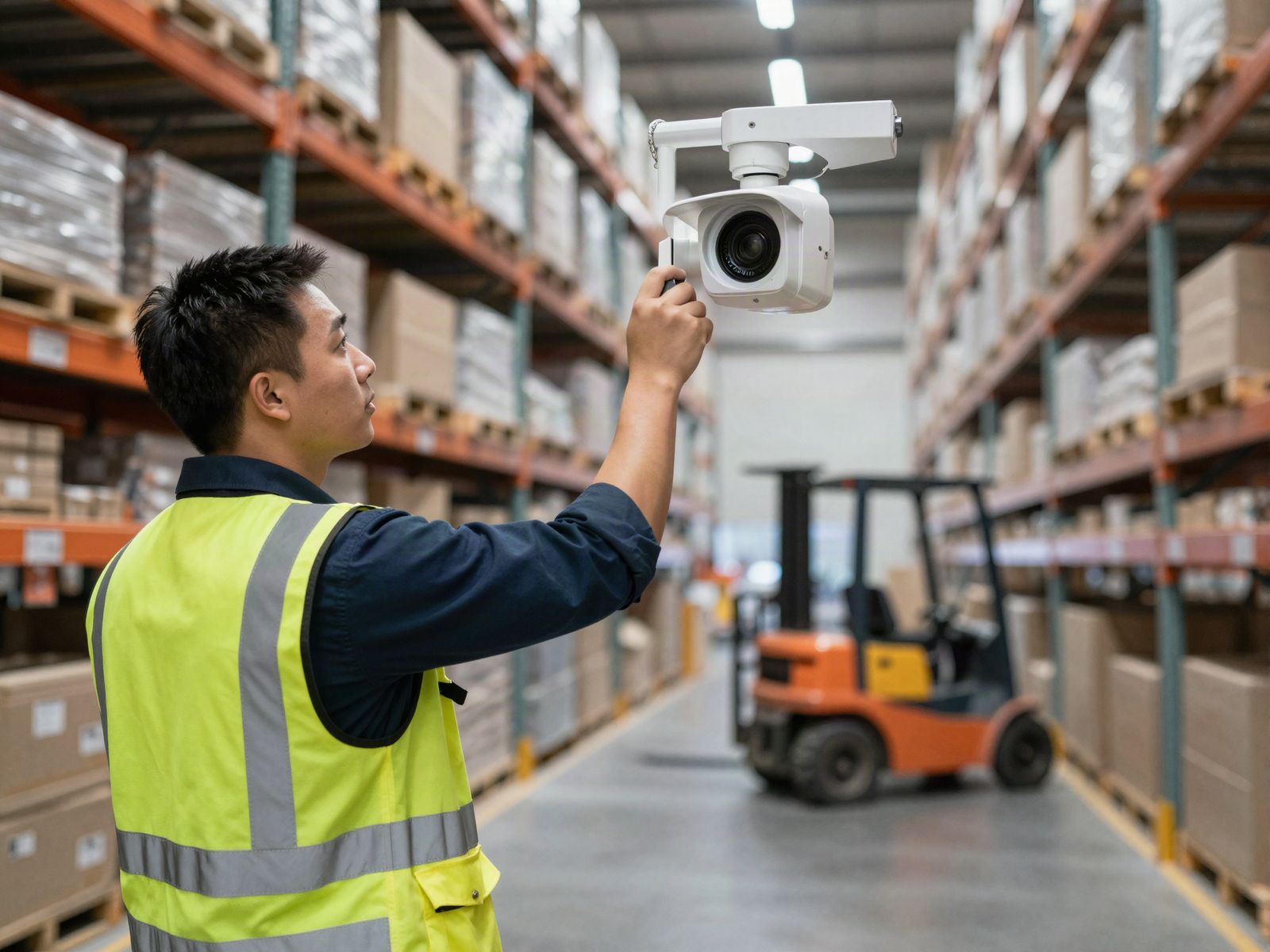
Equipment is a separate question. If your existing cameras are modern and positioned well, they can often be used for monitoring. If they aren't, new cameras, a recorder or cloud service, and network work are a one-time cost on top of the monthly fee.
What drives the cost up or down?
The camera count gets the most attention, but it's only one piece. These are the factors that move a quote the most:
- Number of cameras watched. Not every camera on a site needs to be monitored live. Gates, fence lines, lots and dock doors usually matter more than interior hallways.
- Hours of coverage. Overnight only, nights and weekends, or 24/7. Watching only the hours when the site is closed is the most common way to keep the cost reasonable.
- Site activity. Every alert has to be looked at by a person. A quiet warehouse lot generates far fewer alerts than a busy shopping center lot, and busier sites cost more.
- AI analytics. Older motion detection triggers on headlights, shadows, animals and blowing trash. AI video analytics can tell a person or vehicle from that background noise, so the monitoring team spends its time on real activity. Analytics can add to the cost per camera, but they often make the service work better.
- Live talk-down. Speakers at the site let a monitoring agent speak directly to someone on camera in real time. This requires audio hardware and a trained person ready to respond, which is part of what you're paying for.
- Response protocols. Who gets called, in what order, and when local law enforcement is contacted. More detailed escalation plans and incident reports take more work to deliver.
- Connectivity. Monitoring needs a reliable internet connection at the site. Remote sites and job sites may need a cellular connection or a mobile camera trailer instead.
- Contract terms. Some providers discount longer agreements, and some charge steep early termination fees. Read this part of any quote closely. Turner Security does not require long-term contracts.
How does it compare with on-site security guards?
In general terms, remote monitoring costs a fraction of round-the-clock guard coverage. The U.S. Bureau of Labor Statistics put the median annual wage for security guards at $38,020 in May 2025, and that is the wage for one person before employer taxes, benefits and agency overhead. Covering one post 24 hours a day, 7 days a week takes roughly four to five full-time people, and one 2026 industry pricing guide estimates a staffed 24/7 guard post at roughly $130,000 to $280,000 per location per year, depending on the site and the provider.
Guards and remote monitoring do different things well, though. A guard can walk a building, check doors and handle visitors. Remote monitoring can watch many cameras across a large area at once and doesn't depend on one person staying alert through a long overnight shift. We cover the full comparison in our guide to remote guarding vs security guards, including when a business should use both.
Why does live monitoring cost more than cameras that just record?
Because you are paying for a different result.
A camera system that only records helps you after a break-in. You find out the next morning, pull the footage, hand a clip to the police and file the insurance claim. The fence is already cut, the catalytic converters are already gone and the downtime has already started.
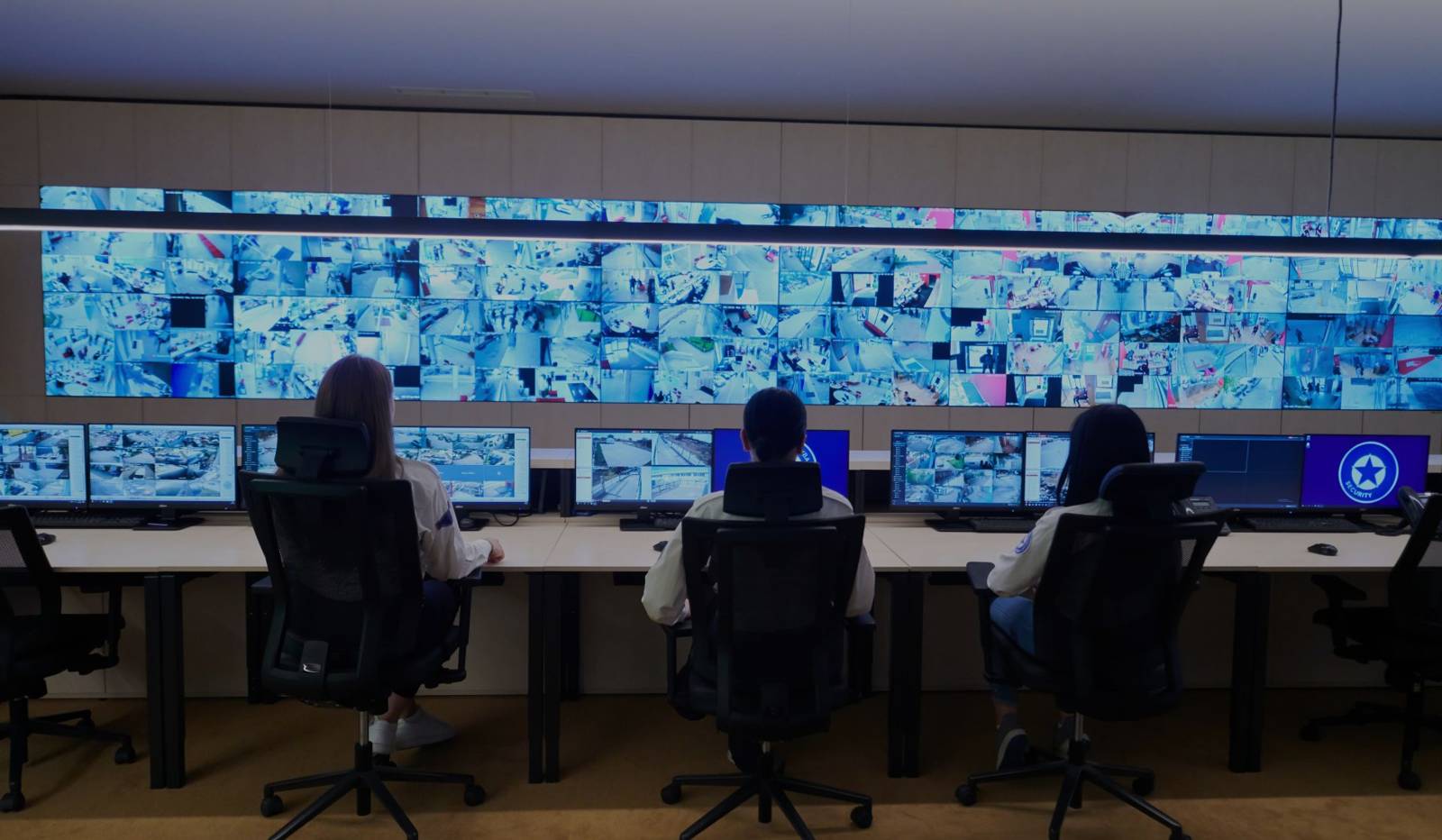
Proactive monitoring is built to stop the problem while it's still starting. When analytics flag a person in the yard at 2 a.m., a monitoring agent looks at the live video, decides whether it's a real threat and can speak through the site speaker: "You in the gray hoodie by the gate, you are on camera and this is being recorded." Some intruders leave once they realize a real person is watching. If they don't, the agent follows the response plan you agreed on.
That's the core difference between live video monitoring and reviewing footage after the fact. One records the loss. The other is designed to help prevent it. No system can promise to stop every incident, but a person who can see and speak to someone on your property in real time changes the odds in a way a recorder can't.
What should a remote video monitoring quote include?
When you compare providers, make sure each quote spells out:
- Which cameras are monitored, and which only record
- The exact monitoring hours and days, including holidays
- Whether pricing is per camera, per site or per event, and what happens if alert volume goes up
- Whether live talk-down is included, and what audio hardware is needed
- What the agent does when activity is confirmed, and who gets contacted
- How incidents are reported to you, and how fast
- Any equipment, installation or setup fees
- Contract length and cancellation terms
If a quote is just a single monthly number with none of this listed, ask for the details before you sign.
FAQ
Can I use my existing cameras for remote monitoring?
Often, yes, if they are networked, in good condition and aimed at the right areas. A site walk will show which cameras can be monitored as they are and where a new camera or speaker would make a real difference.
Is remote monitoring cheaper if I only need it at night?
Usually. Limiting coverage to the hours your site is closed is one of the most common ways businesses keep monitoring costs down, since that is when most theft and vandalism risk is.
Does remote monitoring mean someone watches every camera all the time?
No. In a typical analytics-based setup, the software watches the cameras continuously and alerts a monitoring agent when it detects a person or vehicle in a protected area. The agent then reviews the live video and responds under the plan you agreed on.
Do I need a long-term contract?
Not with Turner Security. We don't require long-term contracts, which also makes it easier to adjust coverage as your site changes.
Get a real number for your site
Published ranges are a starting point, but your price depends on your cameras, your hours and your risk. Turner Security offers a free security assessment for businesses in Nashville, Middle Tennessee, Chattanooga, North Georgia and national accounts, and we can design cameras, analytics and monitoring together so you only pay for the coverage you need. Request a proposal or learn more about our live video monitoring.