Short answer: A business has outgrown record-only cameras when the video keeps showing losses nobody could stop: repeat trespassing, theft found the next morning, guards that cost more than the risk, or a site that sits empty for long stretches. Live video monitoring changes the job of the cameras. Instead of recording for later, monitoring agents watch in real time, speak through on-site speakers to warn people off and escalate to police while the event is still happening.
Recorded video is useful. It answers what happened. But a recording made at 2 a.m. and watched at 8 a.m. can't change the outcome. These are the patterns that tell us a site needs more than a recorder.
Six signs record-only cameras aren't enough
- You keep watching the same kind of clip. If the footage from last month looks like the footage from this month, the cameras are documenting a pattern, not stopping it.
- Losses are found hours later. Fuel, copper, tools or inventory are gone by the time anyone opens the gate.
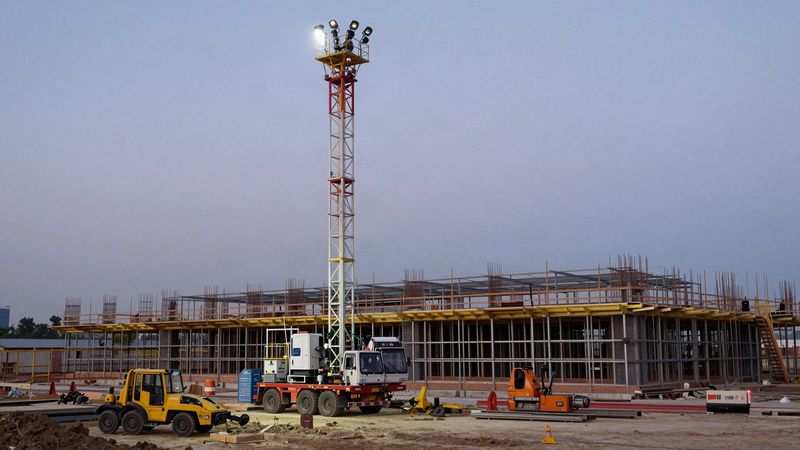
- The site is empty for long stretches. Equipment yards, construction sites, vacant buildings and lots that close at night have no one around to notice trouble.
- Police reports go nowhere. Video of a person in a hoodie three hours after they left rarely leads to an arrest.
- Guard costs keep climbing. A guard can only be in one place at a time, and coverage gaps appear on breaks, rounds and shift changes.
- Your insurer or landlord is asking questions. Repeat claims get attention, and "we have cameras" is not always enough of an answer.
What changes when monitoring is added
Someone is watching at the moment it matters
Monitoring agents view your cameras live during the hours you choose. When someone enters an area they shouldn't, the agent sees it as it happens, not the next morning.
The intruder hears a real person
The agent speaks through on-site speakers, describes what the person is wearing and tells them they are being watched. That live talk-down is what separates monitoring from a siren that people learn to ignore.
Escalation comes with live video
If the person doesn't leave, the agent contacts police and the people on your list while the event is underway, with eyes on the scene.
Guards can be replaced or reduced
Many businesses use live monitoring, sometimes called remote guarding, to replace on-site guards or cut back the hours they need. Turner's live video monitoring service, including BlueEye, is built for exactly this.
Do you have to replace your cameras?
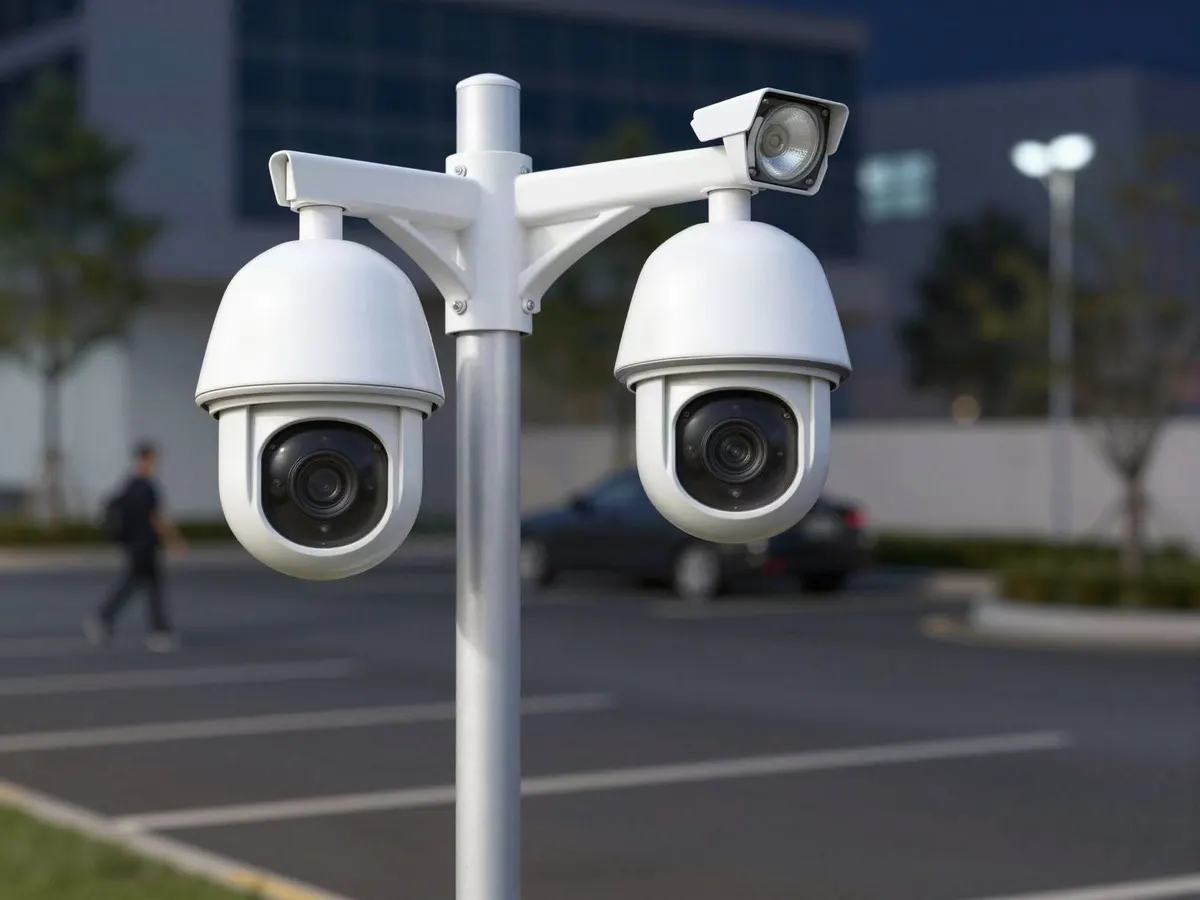
Usually not. Monitoring can often be added to the cameras you already have, as long as they give a clear picture of the areas that matter, including at night. We review your current views first and add cameras or speakers only where there are gaps. AI video analytics on the Eagle Eye platform can also be added to most existing systems so agents and managers are alerted to the events that matter instead of every passing car.
Frequently asked questions
Is live monitoring the same as alarm monitoring?
No. Alarm monitoring responds to a sensor signal, often after a door or window is opened. Live video monitoring lets an agent see the situation and act before someone gets inside. Our guide on live video monitoring vs alarm monitoring compares the two.
Do we have to monitor around the clock?
No. Most businesses choose the hours when the site is closed or lightly staffed.
Is there a long-term contract?
Not with Turner. We don't lock security or monitoring customers into multi-year agreements.
See if your site is ready
Compare remote guarding and security guards, or request a free assessment and we'll look at your cameras and tell you what monitoring would take at your site.